
Procedural Fairness: Is a hearing always enough?
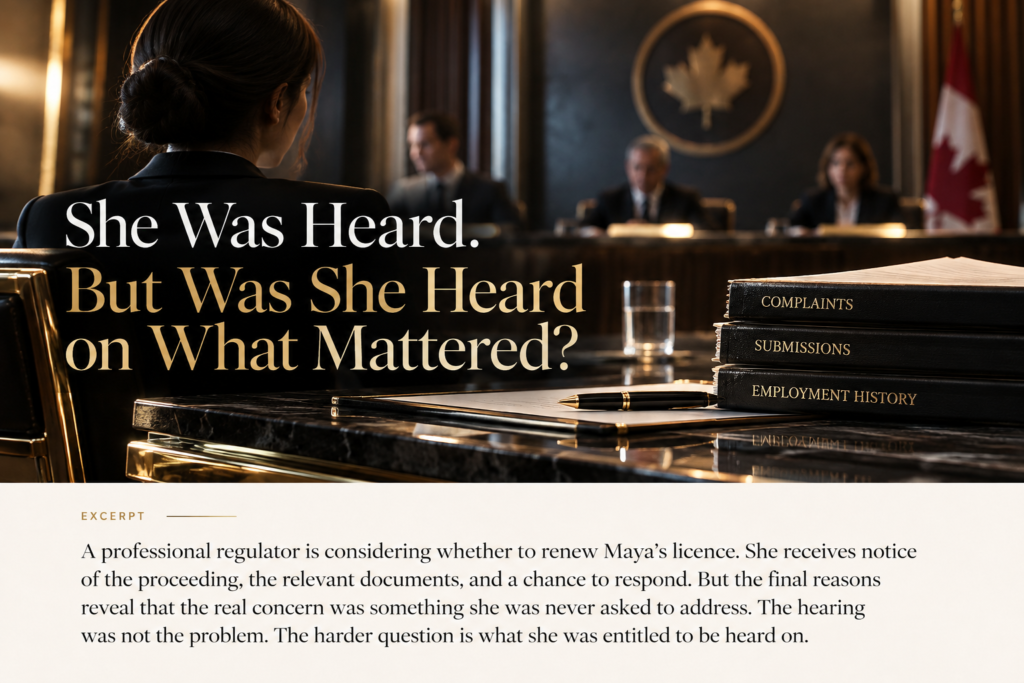
She Was Heard. But Was She Heard on What Mattered?
A professional regulator is considering whether to renew Maya’s licence.
Maya receives notice of the proceeding. She is told that the regulator is concerned about three complaints concerning her professional conduct.
👉🏻She receives the relevant documents.
👉🏻She submits a detailed written response.
👉🏻The regulator considers everything and refuses to renew her licence.
At first glance, the procedural fairness question seems almost too easy.
👉🏻She had notice.
👉🏻She knew the case against her.
👉🏻She had an opportunity to respond.
🤔 So where is the problem?
Now change one fact.
The regulator’s final reasons reveal that the complaints were not really decisive. What ultimately concerned the regulator was something it noticed while reviewing Maya’s submissions: several unexplained gaps in her employment history.
Maya had never been told that those gaps were in issue. And she had never been asked to explain them.
The administrative process has not suddenly become unfair simply because Maya dislikes the result.
The harder question is different: What exactly was she entitled to respond to?
👉🏻Was it enough that she was allowed to participate in the proceeding?
👉🏻Or did fairness require an opportunity to address the particular concern that eventually became important to the decision-maker?
Now change the facts again.
Suppose those employment gaps were obvious on documents Maya herself submitted.
🤔 Should the regulator still have warned her?
The answer is no longer quite as comfortable.
🧠 That is where procedural fairness becomes more interesting than the familiar idea that a person should receive “notice and an opportunity to be heard.”
👉🏻A hearing can occur.
👉🏻Submissions can be made.
👉🏻Documents can be exchanged.
And yet the real fairness problem may only become visible when we ask whether the person had a meaningful opportunity to participate in the decision that was actually being made.
🧠 That distinction is small. In an administrative law problem, it can change everything.
Move from reading to real practice
More on Administrative Law
Continue Exploring the Editorial
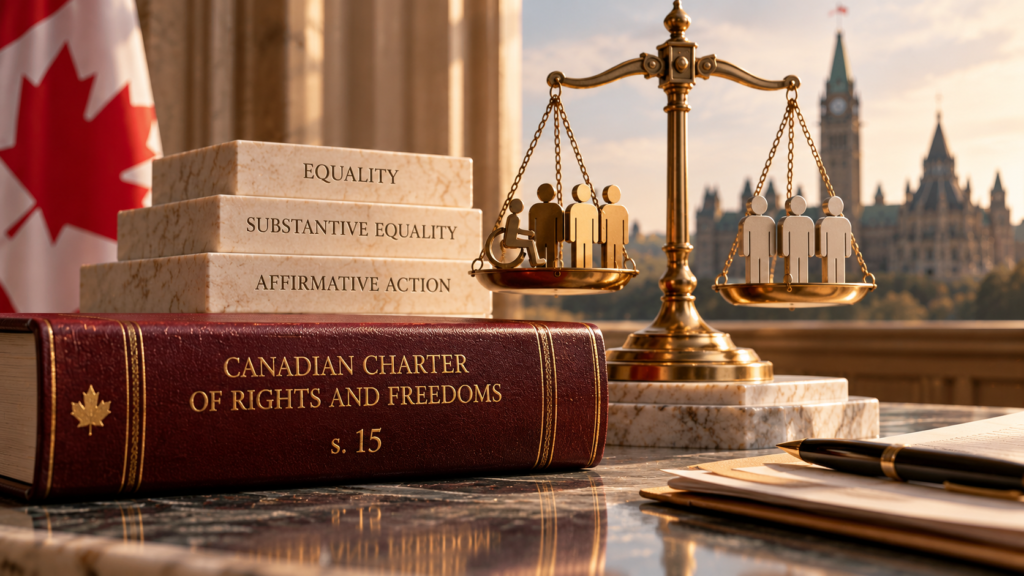
Affirmative Action and Section 15(2): Why Equality Does Not Always Mean Equal Treatment
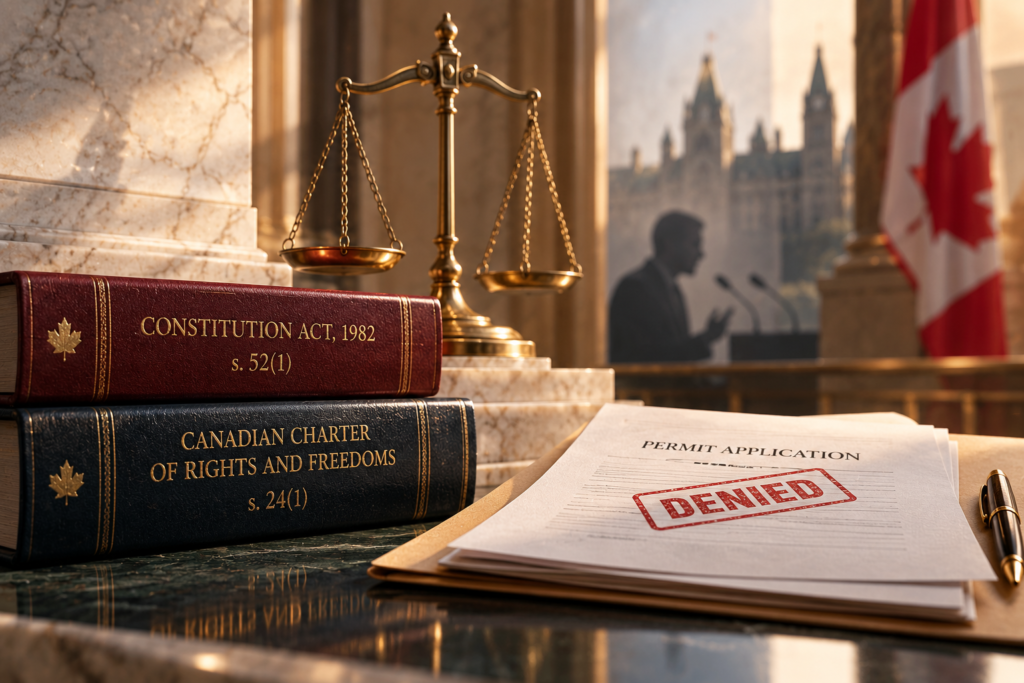
The Charter Breach Is Obvious. What Exactly Should the Court Fix?

The Province Calls It Consumer Protection. Does That Matter?

Why Canada Is Rethinking the Bar Exam, and Why Candidates Should Care

The McKee Files | Episode 5: Who Decides What the Defence Gets to See? | AGP e-class™
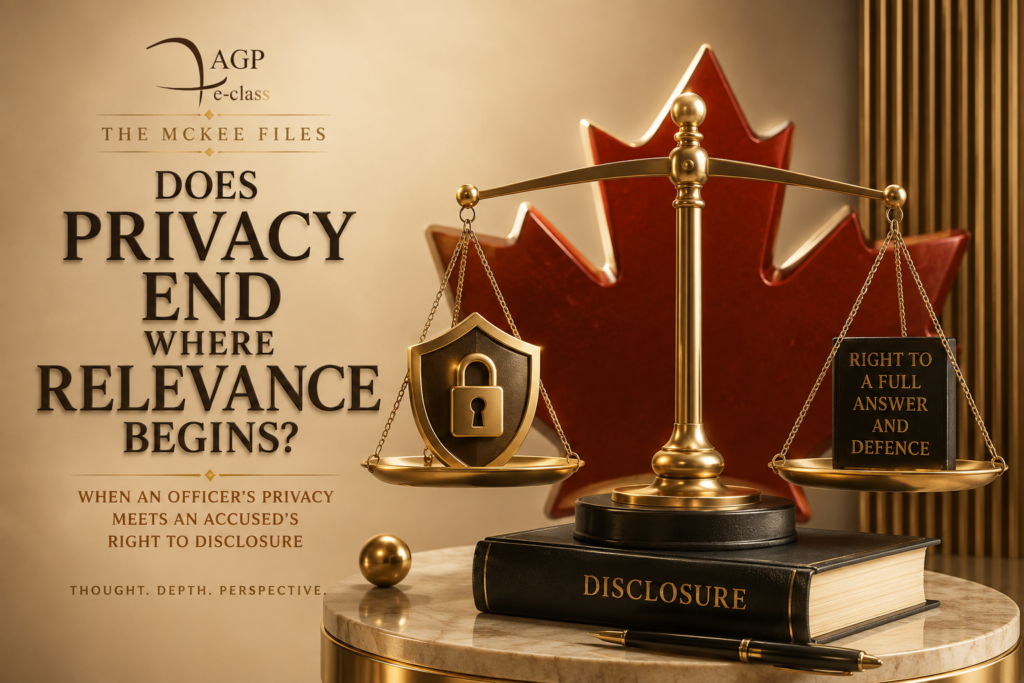
The McKee Files | Episode 4: When Privacy Meets the Right to a Defence | AGP e-class™
The McKee Files | Episode 3: Can Administrative Law Decide What Criminal Law Is Allowed to See?
The McKee Files | Episode 2: When Police Credibility Becomes a Fair-Trial Question
The McKee Files | Pilot: McKee Is Not Just a Criminal Law Case | AGP e-class™

Why Passive Reading Is Not Exam Preparation | AGP e-class™
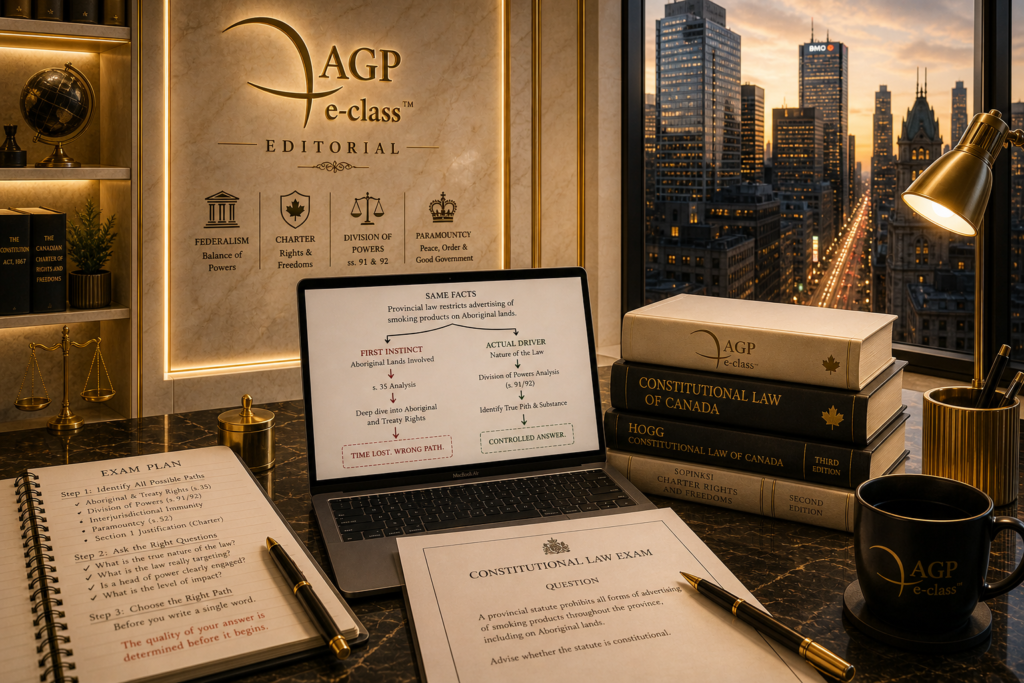
Why Canadian Constitutional Law Exam Answers Fail Even When You Think You Know the Law

Why Canadian Constitutional Law Exam Feels Deceptive | AGP e-class™

Canadian Administrative Law Exam Is Not What You Think It Is | AGP – eclass™
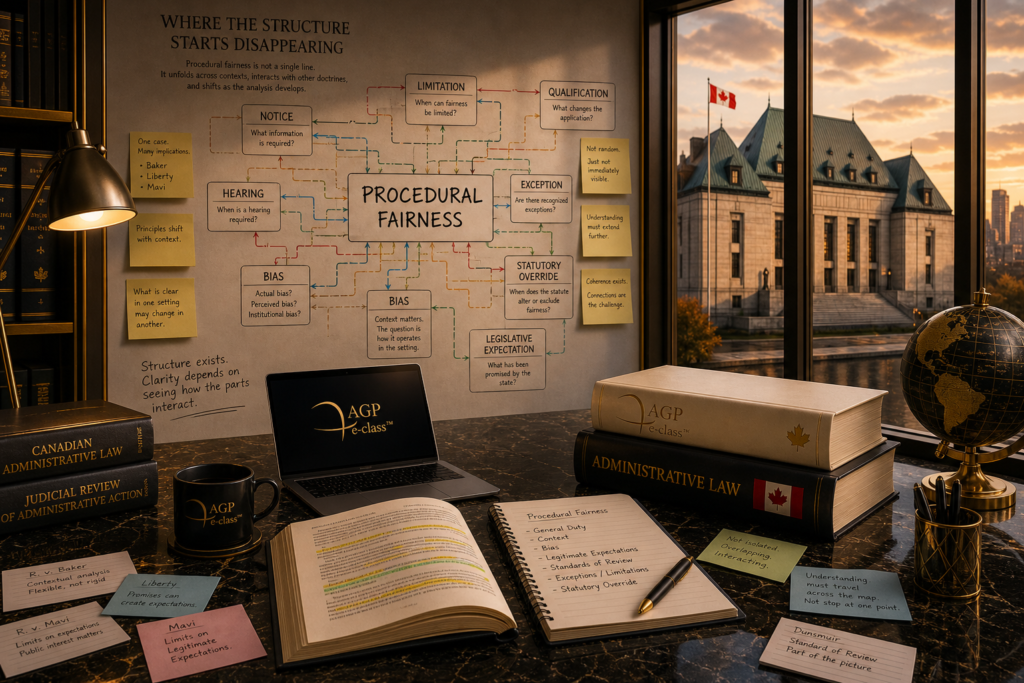
Why Procedural Fairness Often Feels Scattered | AGP e-class™

The Structure Behind Canadian Administrative Law | AGP e-class™ Lawbrary

Why Canadian Administrative Law Feels Confusing | AGP e-class™
AGP e-class™ Student Insight Briefing
Follow the public conversation
Editorial pieces, professional opportunities, cohort updates, and Canadian law pathway signals.
Receive selected student updates
Important notices, new Editorial pieces, cohort information, and timely professional signals.
Watch deeper legal briefings
Long-form guidance on Canadian law, the NCA pathway, legal reasoning, and professional readiness.